


The choice between a stainless steel pan and a non-stick pan is one of the most common questions in cooking. These two types of pans serve different purposes, and neither is universally the best. It all depends on what you cook, your cooking skill level, and your priorities: durability, ease of maintenance, healthy cooking, or versatility. In this article, we give you the keys to make the right choice, understand the technical differences, and get the best out of each material. Whether you are an amateur cook or a gastronomy enthusiast, you will leave with a clear answer and practical advice.
Stainless steel pan: the benefits of a professional material

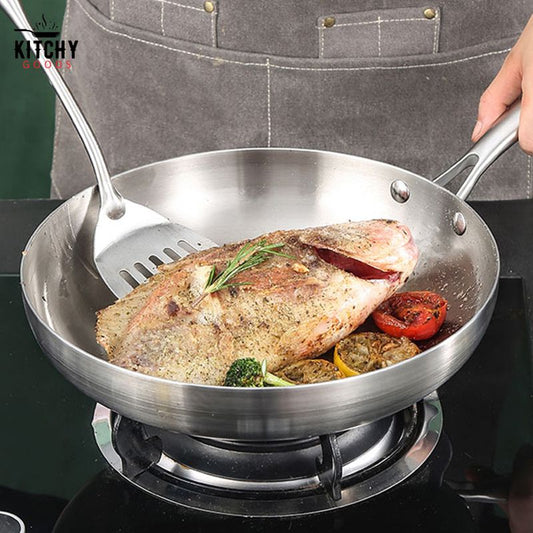
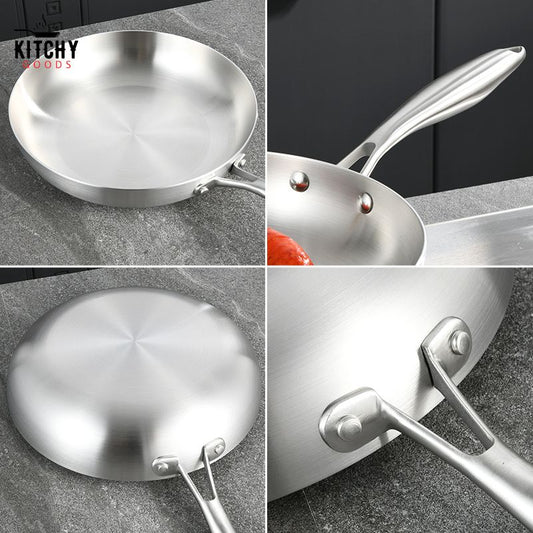
Stainless steel, or stainless steel alloy, is the reference material in professional kitchens. Its composition — generally 18/10 (18% chromium, 10% nickel) — gives it exceptional resistance to heat, shocks, and corrosion.
Its main advantages:
- Extreme durability: a well-maintained stainless steel pan lasts for decades.
- Compatible with all heat sources, including induction (depending on the base).
- Withstands very high temperatures without deforming.
- No chemical coating: zero risk of degradation or ingestion of particles.
- Dishwasher and oven safe without restrictions.
However, stainless steel requires an adapted cooking technique. Food tends to stick if the pan is not properly preheated. It is a material that rewards those who take the time to master it.
Stainless steel is ideal for searing meats, deglazing, making sauces, and cooking on high heat. It develops cooking juices — those little golden residues at the bottom of the pan — which are the base of the best homemade sauces.
Non-stick pan: ease and gentle cooking every day

The non-stick pan owes its popularity to its ease of use. Its coating — historically made from PTFE (polytetrafluoroethylene, known under the brand Teflon) — prevents food from sticking to the surface, even with very little fat.
Its strengths:
- Stick-free cooking, ideal for eggs, pancakes, fish.
- Quick and effortless cleaning.
- Cooking possible with little or no fat.
- Immediate handling, no special technique required.
The main point of caution concerns the health and durability of the coating. Older generations of non-stick pans contained PFAS (per- and polyfluoroalkyl substances), some of which have been identified as endocrine disruptors. Recent models tend to avoid them, but it is advisable to check certifications before purchase.
Moreover, the non-stick coating degrades over time, especially if exposed to too high temperatures or metal utensils. A non-stick pan is generally replaced every 2 to 5 years depending on use.
To learn more about the risks related to PFAS, you can consult the Inserm file on endocrine disruptors.
How to choose: practical criteria and user profiles

There is no universal pan. The right choice depends on your cooking style and kitchen habits.
Choose the stainless steel pan if you:
- Regularly cook meats, poultry, or fish to sear.
- Want durable equipment for the long term.
- Prefer to avoid any chemical coating.
- Enjoy making sauces and deglazing.
- Cook on high heat or regularly use an oven.
Choose the non-stick pan if you:
- Often prepare eggs, pancakes, or delicate foods.
- Looking for simplicity and quick cleaning.
- Starting out in the kitchen and want to avoid sticking mistakes.
- Cook on low or medium heat.
The most effective solution for a well-equipped kitchen is often to combine both: a stainless steel pan for high-temperature cooking and sauces, and a non-stick pan for delicate everyday preparations.
Maintenance and lifespan: tips to extend your pans' life

Good maintenance is key to maximizing the lifespan of your pans, whatever the material.
For the stainless steel pan:
- Always preheat the pan empty before adding fat (water drop test: it should form a bead that rolls).
- Avoid thermal shocks: do not plunge a hot pan into cold water.
- For stubborn stains, use baking soda or a special stainless steel product.
- Dry well after washing to avoid limescale marks.
For the non-stick pan:
- Never use metal utensils: prefer wood, silicone, or nylon.
- Avoid temperatures above 230 °C: the coating degrades beyond this.
- Wash by hand with a soft sponge, without abrasive products.
- Replace the pan as soon as the coating is scratched or peeling.
Our Kitchygoods selection to equip your kitchen
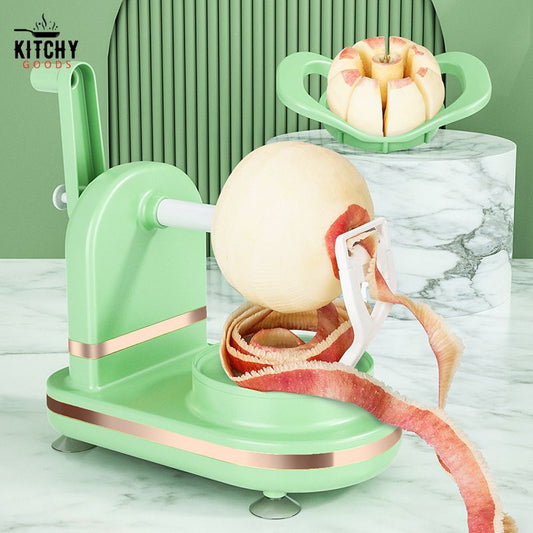
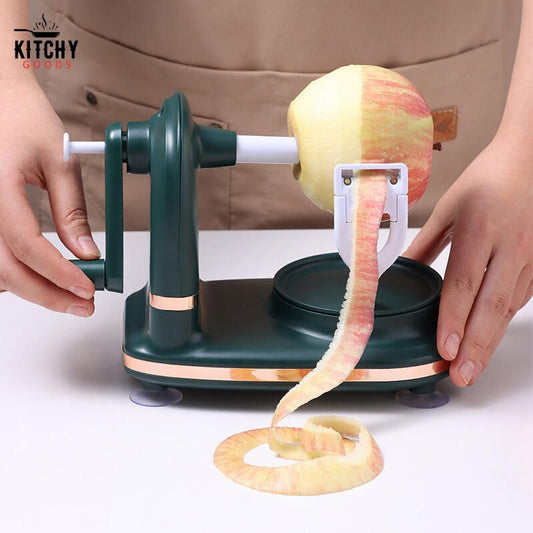
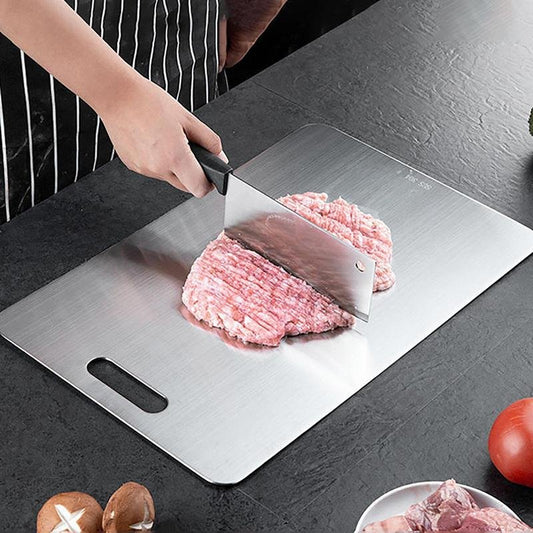
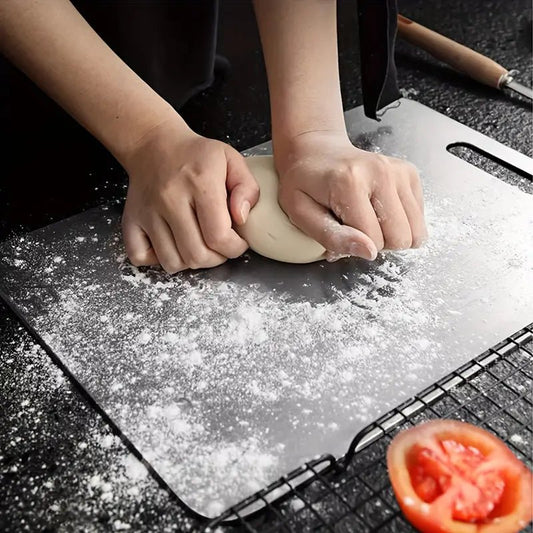
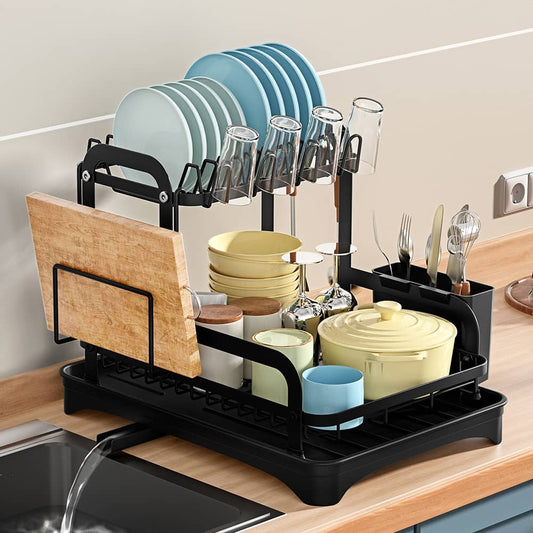
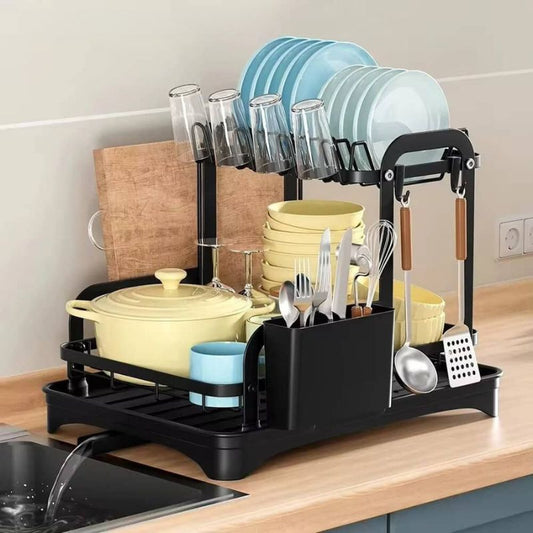
Kitchygoods offers a range of stainless steel equipment designed to last. Here is our ideal selection to complete your cookware:


See all our kitchen utensils →
Conclusion: stainless steel or non-stick, make the right choice
The stainless steel pan is essential for high-temperature cooking, durability, and chemical-free cooking. The non-stick pan remains unbeatable for delicate preparations and everyday ease. The ideal is to combine them to cover all uses. Whatever your pan, well-thought-out kitchen equipment makes all the difference. Explore our store to discover accessories that turn every meal into an experience.