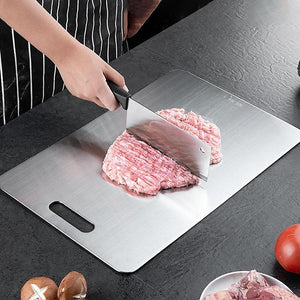




Making your own homemade sausages is much easier than you might think. With the right ingredients, suitable equipment, and a few technical steps, you can create flavorful sausages without additives or preservatives, fully customized to your taste. Pork, beef, poultry, fresh herbs, homemade spices — the possibilities are endless. This guide walks you through each step: choosing the meat, preparing the filling, stuffing the casings, and cooking. Whether you’re a beginner or an experienced cook, you’ll have all the keys to successfully make your first homemade sausages today.
Why make your own sausages instead of buying from the supermarket?

Industrial sausages typically contain 15 to 20 ingredients: flavor enhancers, nitrites, starch, added water, artificial flavors. The list is long, and the meat quality is often poor.
Making your own sausages is the opposite: you choose your cut of meat, control the fat content, and select your spices. The result is incomparably more flavorful, healthier, and you control every step of the process.
It’s also an economical practice in the long run. A kilo of quality meat bought from the butcher often costs less per kilo than artisanal sausages from a gourmet store — for an equal or even better result.
Finally, it’s a social activity, perfect to share with family or friends, and reconnects you with traditional culinary skills.
Which meat and ingredients to choose for successful homemade sausages?

The foundation of a good homemade sausage relies on three elements: meat, fat, and seasonings.
- Meat: pork shoulder is the classic choice — tender, flavorful, with a good lean-to-fat balance. For lighter sausages, opt for poultry (chicken or turkey) or a pork-veal mix.
- Fat content: ideally between 20% and 30% for a juicy sausage that doesn’t dry out during cooking. Below 15%, the sausage will be dry and less tasty.
- Seasonings: salt, black pepper, garlic, thyme, fennel, smoked paprika, nutmeg — adjust according to your preferences. Use about 18 g of salt per kilo of meat as a base.
- Casings: natural pork casings (caliber 28/30) are the most common and easiest to work with. They can be found at the butcher or online, preserved in salt.
Before grinding, chill the meat and equipment in the refrigerator for 30 minutes. Cold meat grinds better and the filling stays well bound.
Step-by-step technique: grinding, seasoning, and stuffing the casings

Here are the key steps to successfully make your homemade sausages on the first try:
- Step 1 — Grind the meat: use a medium plate (6 to 8 mm) for a rustic texture, or a fine plate (4 mm) for a smoother sausage. Grind only once to preserve the texture.
- Step 2 — Season: mix the filling with the spices by hand or with a spatula. Cook a small patty in a pan to adjust the seasoning before stuffing the casings.
- Step 3 — Prepare the casings: rinse them thoroughly in cold water, then soak for 30 minutes in warm water to soften. Thread them onto the stuffer nozzle.
- Step 4 — Stuff the casings: push the filling evenly, without packing too tightly or leaving air pockets. Overly tight stuffing will cause the sausage to burst during cooking.
- Step 5 — Twist: form the sausages by twisting the casing every 10 to 15 cm, alternating the direction of the twist to prevent them from unraveling.
- Step 6 — Rest: let the sausages rest for 12 hours in the refrigerator before cooking. This helps them hold together better and develop their flavors.
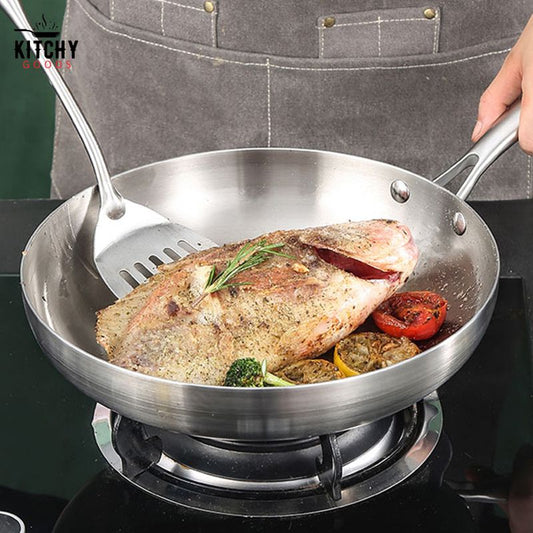
For cooking, prefer a stainless steel pan over medium heat with a drizzle of oil, or bake in the oven at 180 °C (350 °F) for 20 to 25 minutes. Avoid high heat that can cause the casings to burst.
For more information on food safety related to homemade charcuterie, consult the recommendations of ANSES (French Agency for Food, Environmental and Occupational Health & Safety).
Kitchygoods tools for making your homemade sausages

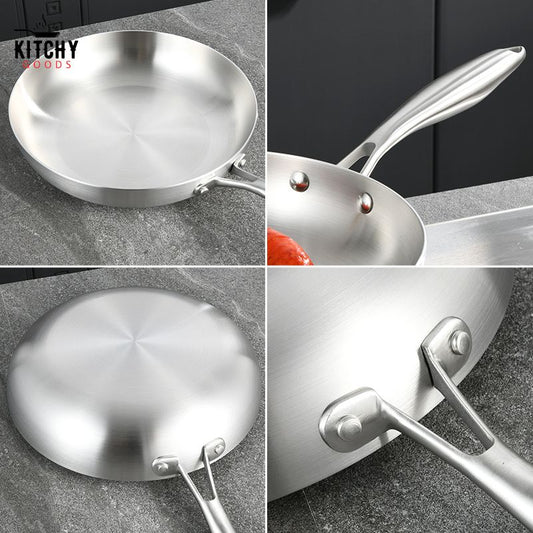
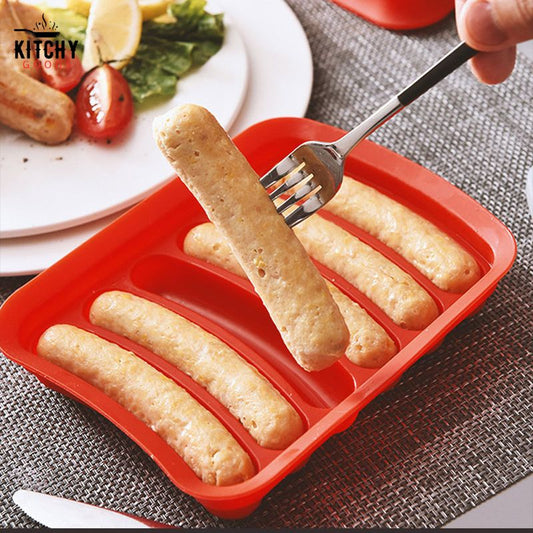
To succeed with your homemade sausages, the right equipment makes all the difference. Kitchygoods offers a selection of tools designed for artisanal charcuterie, sturdy, precise, and easy to clean.


View the full Meat Preparation collection →
Conclusion: start making your own homemade sausages
Making your own homemade sausages is within everyone’s reach. With good meat, the right tools, and a bit of method, you’ll produce sausages incomparably better than store-bought ones — and fully customized. It’s a rewarding, economical, and delicious skill. Kitchygoods equips you to take your cooking further. Discover our complete selection and get started today.