


Why give up plastic food wrap?

Classic cling film is made from PVC or polyethylene, two petrochemical-based materials. Not recyclable in most French municipalities, it inevitably ends up in the trash after a single use. At the household level, this represents several dozen meters of plastic thrown away each year.
Beyond the ecological aspect, studies conducted by organizations like 60 Millions de consommateurs have highlighted the possible migration of plasticizers into food, especially cheeses, fatty meats, or hot preparations. This risk, although variable depending on the brand, alone justifies exploring safer alternatives.
Finally, from a purely practical point of view, plastic wrap sticks to itself, tears easily, and often provides imperfect sealing. Reusable alternatives, on the other hand, are designed to last and perform better.
Choice guide: which alternative for your use?

Not all alternatives are equal depending on the use. Here is an overview of available solutions and their respective strengths.
Beeswax wraps
Made from cotton coated with beeswax, jojoba oil, and pine resin, these wraps are moldable with the warmth of your hands. They naturally adhere to bowls, cut fruits, or cheeses. Their lifespan reaches 12 months with proper care. However, they are not suitable for hot foods or raw meats.
Food-grade silicone lids
Available in several diameters, silicone lids fit almost all containers thanks to their flexibility. Airtight, dishwasher-safe, freezer-safe, and microwave-safe (depending on the model), they are the most versatile solution for covering bowls, pots, and boxes. Their lifespan easily exceeds five years.
Elastic covers and caps
These coated fabric or silicone covers slip over containers like a cap. Practical for irregular shapes (half melon, rounded salad bowl), they are machine washable and very durable.
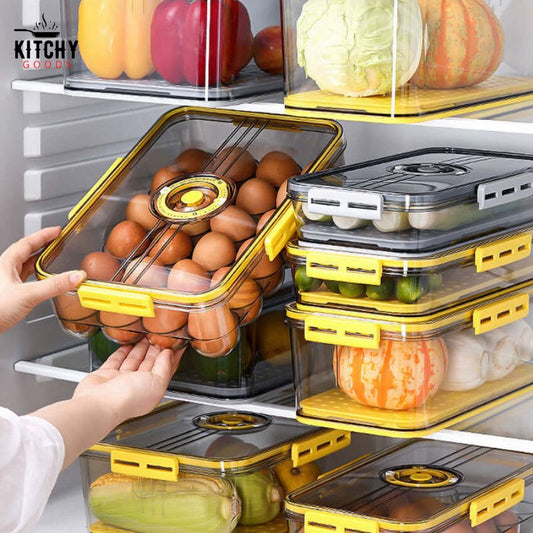
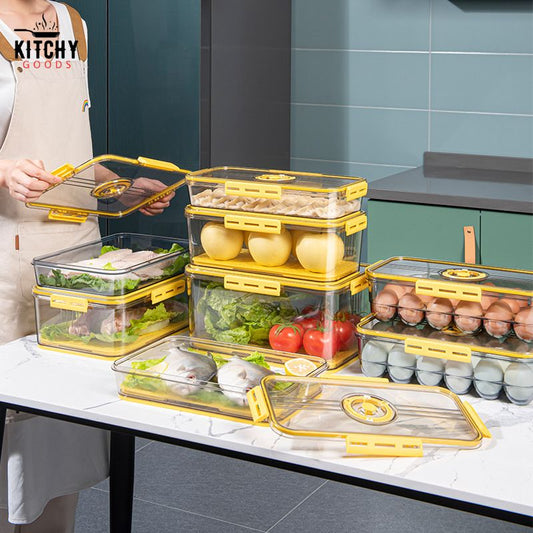
Airtight glass or stainless steel containers
For plastic-free long-term storage, borosilicate glass or food-grade stainless steel containers remain the benchmark. They do not absorb odors or stains, are oven and dishwasher safe, and last indefinitely.
- Beeswax: ideal for cheeses, fruits, sandwiches
- Silicone lid: versatile, durable, airtight
- Elastic cover: irregular shapes, daily use
- Glass / stainless steel: long-term storage, zero migration
Practical tips: care and tricks for lasting use

Adopting reusable alternatives involves a few simple steps to preserve their effectiveness over time.
For beeswax wraps
- Wash with cold water and mild soap — hot water melts the wax.
- Air dry flat or hanging.
- Never use in the microwave or in contact with raw meats.
- When the wax wears off, some manufacturers offer re-waxing kits to extend the wrap’s life.
For silicone lids
- Dishwasher safe for most models — check the instructions.
- Avoid sharp utensils that could cut the surface.
- Store flat or stacked to maintain their shape.
- A boil in hot water can deeply disinfect if needed.
Pro tips for a successful transition
Start by replacing the most frequent uses: covering a bowl in the fridge, wrapping half a lemon, protecting leftover pie. Build a kit of 3 to 5 silicone lids of different sizes and 2 to 3 beeswax wraps — this covers 90% of a household’s needs. Keep them within reach, in the same place as your old plastic wrap roll, to establish the new habit.
Our Kitchygoods recommendations for a plastic wrap-free kitchen
At Kitchygoods, we have selected products designed to last, easy to care for, and aesthetically consistent with a modern kitchen. Here is our selection to permanently replace plastic wrap.


Find our full selection in our Kitchen Storage collection — products tested and approved for intensive daily use.
Conclusion
Replacing plastic wrap is not a sacrifice: it is an investment that pays off in a few weeks, improves the preservation of your food, and significantly reduces your household waste. Silicone lids, beeswax wraps, or glass containers — each solution has its place in a well-organized kitchen. Start with a basic kit, adopt good care habits, and plastic wrap will soon become a distant memory.
Ready to make the change? Discover our full selection of reusable alternatives at Kitchygoods.com and equip your kitchen for years to come.