



Knowing how to properly store rice to prevent insects is a question many French households ask themselves. Rice is an essential staple food, but its storage is often neglected: left in its original packaging, exposed to humidity or heat, it quickly becomes a breeding ground for rice weevils, pantry moths, and mold. In this article, we provide you with all the keys to effectively protect your rice—from choosing the right container to daily habits—to preserve its quality, taste, and food safety in the long term.
Why does rice attract insects? Understanding contamination risks

Rice is a starch-rich cereal, making it a prime target for several insect species. The rice weevils (Sitophilus oryzae) are the most common: they lay their eggs inside the grains, and the larvae develop quietly before hatching. Pantry moths (or grain moths) are also frequent, especially in summer when temperatures exceed 20°C.
According to Wikipedia – Sitophilus oryzae, this weevil is one of the most widespread pests of cereal stocks worldwide. Dry goods like rice are particularly vulnerable to infestations when stored under unsuitable conditions: high temperature, ambient humidity, non-airtight packaging. Contamination can occur right at purchase—eggs sometimes already present in industrial bags—or develop gradually in your cupboards.
The main risk factors are:
- Heat: above 18°C, insects reproduce rapidly
- Humidity: humidity levels above 14% promote mold and proliferation
- Original packaging: plastic or paper bags are not airtight
- Proximity to other cereals: contamination can spread from one food to another
Which container to choose to store rice without insects?

Choosing the right container is the most important decision for effective rice storage. Not all containers are equal, and some materials offer much better protection than others.
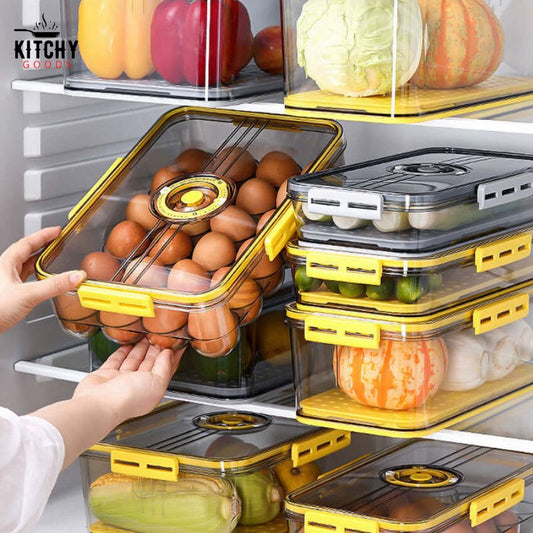
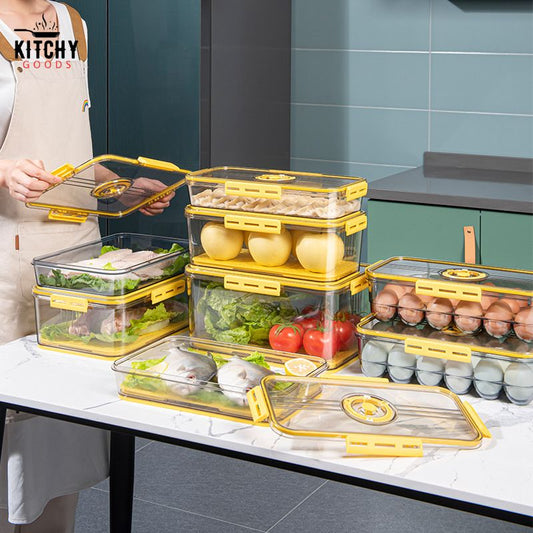
Food-grade airtight plastic containers
This is the most common and accessible solution. Be sure to choose containers with a sealing gasket and a clip or snap closure system. They must be BPA-free certified. Advantages: lightweight, transparent to see the contents at a glance, and easy to clean. Disadvantages: they can scratch over time and retain odors.
Glass jars with airtight lids
Glass is the reference material for long-term food storage. It is inert, non-porous, and completely airtight against odors and humidity. A glass jar with a rubber seal offers optimal protection against insects. It is also more aesthetic for visible storage in your cupboards or on your shelves.
Airtight rice dispensers
A practical and aesthetic solution, the airtight rice dispenser allows you to store large quantities while easily dispensing at each use. Ideal for families who consume rice regularly, it combines airtightness, practicality, and space-saving in cupboards or on the countertop.
Pro tips to store rice long-term without insects

Beyond the container, several simple habits significantly extend rice’s shelf life and naturally keep insects away.
1. Freeze rice before storing
This is the most effective and least known tip: place your rice in the freezer for at least 72 hours right after purchase. This cold treatment kills any insect eggs already present in the bag without affecting the rice quality. Then let it return to room temperature before transferring it to your airtight container.
2. Use natural repellents
Several everyday ingredients act as natural insect repellents:
- Bay leaves: slip 2 to 3 dried leaves into your rice container. Their smell is unbearable for weevils.
- Cloves: same principle, very effective against pantry moths.
- Cayenne pepper: a small amount in the container is enough to repel insects.
- Dried garlic: a dehydrated garlic clove placed in the box is a recognized natural repellent.
3. Control temperature and humidity
Store your rice in a cool place (ideally between 10 and 15°C), dry and away from direct light. Avoid cupboards above the oven or dishwasher, where heat and steam encourage insect proliferation. A high cupboard away from heat sources is ideal.
4. Label and follow stock rotation
Note the opening date on your container and apply the FIFO (First In, First Out) rule: always consume the oldest rice first. White rice keeps up to 2 years under good conditions, brown rice up to 6 months (its oil content makes it more prone to rancidity).
5. Clean your containers regularly
Before each refill, wash your container thoroughly with hot soapy water and let it dry completely. Never pour fresh rice over old residues: this is a common source of contamination.
Kitchygoods products for impeccable food storage

To put all these tips into practice, you need the right equipment. At Kitchygoods, we have selected products designed to combine functionality, durability, and aesthetics in your kitchen.


Find our full selection of food storage solutions for an organized, insect-free kitchen.
Conclusion: controlled storage for always healthy rice
Properly storing rice to prevent insects is not a constraint, it’s a habit to adopt from the moment of purchase. By combining a quality airtight container, natural repellents, and a few simple habits, you effectively protect your cereal stocks while preserving their taste quality. Investing in good containers also reduces food waste and saves money in the long run. Discover our complete range of kitchen accessories now at kitchygoods.com and transform your kitchen into an organized, healthy, and uncompromising space.